Article
Exercise, Health and Rehabilitation Science
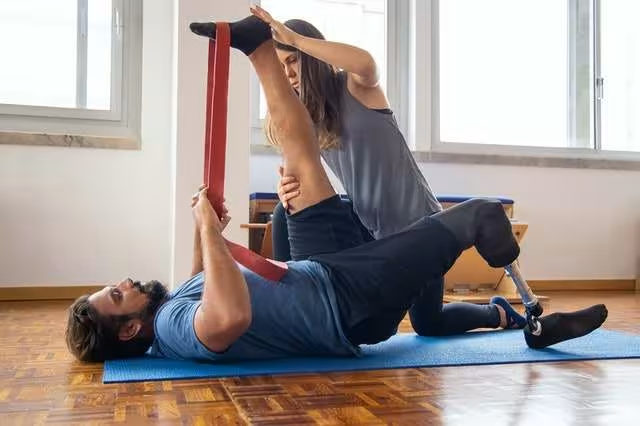
Introduction to Exercise, Health and Rehabilitation Science
University programmes in Exercise, Health and Rehabilitation Science explore how the body responds to exercise, injury, and long-term health conditions. These degrees are designed for people who want to understand human function and recovery, and who are interested in improving quality of life through movement, health interventions, and rehabilitation.
The Access to HE Diploma (Health Science Professions) Health units provide a strong foundation for this route. The pathway is built around units that support progression into university study by developing knowledge of health, the human body, and professional practice, alongside the academic skills needed for Level 4 and beyond.
Common Career Directions for Exercise, Health and Rehabilitation Graduates:
- Rehabilitation Support Roles – Working in health, wellbeing, and recovery services (role titles vary).
- Exercise and Health Programmes – Supporting wellbeing initiatives in community and workplace settings.
- Sport and Physical Activity Services – Working with individuals to improve fitness and function.
- Further Study Pathways – Progression into physiotherapy, occupational therapy, sports therapy, or postgraduate health science (entry routes vary by university).
- Research and Health Promotion – Supporting evidence-based practice, behaviour change, and public health work.
Different Career Pathways in Exercise, Health and Rehabilitation
1. Health and Rehabilitation Services
Many graduates work in settings that support recovery and independence, helping people improve function and manage long-term conditions. This can include:
- Supporting patients to follow rehabilitation and activity plans.
- Working alongside healthcare professionals in multidisciplinary teams.
- Contributing to improved mobility, confidence, and wellbeing over time.
2. Exercise and Wellbeing Programmes
This pathway focuses on using exercise to improve health outcomes for individuals and groups. It commonly involves:
- Supporting structured programmes that build fitness and resilience.
- Understanding how exercise links to cardiovascular health, mental wellbeing, and weight management.
- Working in community, leisure, or workplace environments where health improvement is the priority.
3. Long-Term Condition and Prevention-Focused Roles
Exercise and health science skills are often used in services that reduce risk and support self-management. This can include:
- Health promotion linked to diabetes, obesity, and cardiovascular conditions.
- Supporting prevention strategies through behaviour change and education.
- Improving outcomes for people living with ongoing health challenges.
4. Progression into Professional and Postgraduate Routes
Some learners use this degree as a step towards further professional study. Requirements vary, so selecting the right Level 3 units at the start can support a wider range of university options.
Further Qualifications, Salary Expectations & Training Options
1. Academic Preparation Through the Health Units
Exercise and rehabilitation degrees usually expect a solid understanding of human health and the body, alongside strong academic skills. Our Health units support this by helping you develop:
- Knowledge that links to health, wellbeing, and professional practice.
- Confidence with study, assessment, and academic writing at Level 3.
- A foundation for university modules that involve health science and applied human performance.
This is particularly useful if you have been out of education for a while and want a clear, supported route back into study.
2. Further Training & Specialisation
- Postgraduate study in rehabilitation, strength and conditioning, public health, or related health sciences.
- CPD and specialist short courses aligned to your career direction (availability varies).
- Work-based development in health, wellbeing, and rehabilitation support services.
3. Career Progression Opportunities
- Health and Wellbeing Practitioner (role titles vary by employer)
- Rehabilitation Assistant / Support Roles within health services
- Programme Coordinator for exercise or health improvement initiatives
- Further study into clinical or specialist pathways (subject to entry requirements)
Final Thoughts
If you want a degree that combines health science, practical application, and meaningful impact, Exercise, Health and Rehabilitation Science is a strong option. The Health units within our Access to HE Diploma are designed to help you build the confidence and academic foundation needed to progress to university and succeed once you get there.
Choosing the correct pathway
This route is built around the Health units available within the Access to HE Diploma (Health Science Professions). The diploma totals 60 Level 3 credits (15 ungraded and 45 graded), and your unit choices should be aligned to the entry requirements for your chosen university course.
Entry criteria can differ between universities and course titles. If the standard Health unit combination does not fully match your preferred university’s requirements, you can tailor your diploma by selecting alternative units to create a customised 60-credit Level 3 qualification.
To explore how you can customise your unit choices, visit:
Customise your Access to HE Diploma (Health Science Professions)