Learning Disability Nursing
Last reviewed: October 2026







From £110 a month over 12 months
or pay £1270 in full and save £50
View payment optionsCourse Details
About the Course
A summary of the course
- Prepare for university with an Access to Higher Education Diploma (Health Science Professions)
- Work towards a future in Learning Disability Nursing
- Complete your Access course through online distance learning
- Plan your study around work, family and other responsibilities
- Learn with academic support and feedback from subject specialist tutors
- Explore Health, Biology and Social Science before progressing to a nursing degree
- Choose from several ways to pay for your course
- Access interactive learning materials and activities 24 hours a day
- Submit assignments without sitting exams or attending scheduled online classes
- Receive support with your UCAS application, including an academic reference
- Study with Academy Online Learning, rated 4.8 out of 5 on Trustpilot
About Your Diploma
Learning disability nurses help people with learning disabilities look after their health, express their needs and access appropriate care. If you would like to enter this profession but need qualifications for university, our Access to Higher Education Diploma (Health Science Professions) offers a way to prepare for further study.
The Health pathway brings together scientific knowledge, healthcare topics and academic skills. It can support applications to Learning Disability Nursing degrees, subject to each university's entry requirements. The online format suits adults returning to education, changing careers or building on experience in care and support work.
Your course includes 12 months of study time, with many learners completing their diploma within 8–10 months. Your progress will depend on the time you can commit and successful completion of the assessments. Discuss your intended university start date with your tutor so that you can plan your assignments and moderation accordingly.
Preparation for Learning Disability Nursing at University
Learning Disability Nursing combines an understanding of physical and mental health with communication, advocacy and respect for individual choices. Nurses work with people, families, carers and other professionals to support wellbeing and help remove barriers to healthcare.
Our Health pathway contains 27 graded Biology credits, 12 graded Health credits and six graded Social Science credits. Alongside 15 ungraded credits, these make up the 60-credit diploma.
The Health units include Diagnosis and Management of Physiological Disorders and Healthcare Communication. These introduce the study of health conditions and communication in healthcare settings. Biology topics include the Endocrine System and Genetic Inheritance, while the Social Science units explore relationships between brain function and behaviour.
You will also develop your research, referencing and academic writing through the course. Professional Behaviours: Nursing and Health Professions introduces expectations relevant to further healthcare study. These subjects provide academic preparation; specialist nursing assessment, care planning and clinical skills are developed during your subsequent professional nursing programme.
Getting Started with Academy Online Learning
Academy Online Learning delivers this nationally recognised Level 3 qualification entirely online. The Access to Higher Education Diploma (Health Science Professions) is recognised under the Quality Assurance Agency for Higher Education (QAA) Access to HE Recognition Scheme and awarded through Skills and Education Group Access, a QAA-licensed Access Validating Agency.
You can begin at any time of year. Once your enrolment and payment arrangements are complete, you can access your learning platform and work with your tutor to establish an Individual Learning Plan.
Stay On Top of Your Learning
Use your online learning platform to study course materials, complete activities, upload assignments and contact your tutor. You can arrange your learning sessions around other commitments, while setting aside regular time to keep your studies moving forward.
Our qualified and experienced subject specialist tutors help you understand course topics and develop your approach to academic work. Assignment feedback, online communication and telephone or videoconference tutorials provide opportunities to ask questions and discuss your progress.
AOLL does not require GCSE English or Maths for enrolment on the Access diploma. Nursing degrees set their own requirements and may ask for English, Maths and sometimes Science at specified grades or accepted equivalents. If you need additional qualifications, explore our online Functional Skills and GCSE options. Check which qualifications your chosen university accepts before enrolling.
Read more about the units on our Health pathway page, or explore our broader Access to Nursing information.
Our UCAS support includes application guidance and an academic reference. Before choosing your Access course, confirm that its title, units, subject credits and potential grade profile meet the requirements of your intended Learning Disability Nursing degree.
Enquiry Form
Complete the form to ask a question, get more information, or start your enrolment. You can choose whether to purchase later.
Why enrol with AOLL?
- Flexible payment options available in the secure store
- Tutor support throughout your course
- UCAS guidance and academic reference support
- Rated 4.8/5 on Trustpilot
Ungraded Units (15 credits)

Academic Writing Skills (3 Credits)

Numeracy in a Health Context (3 Credits) Level 2

Professional Behaviours: Nursing and Health Professions (3 Credits)

Researching and Understanding Opportunities in Higher Education (3 Credits)

Safe and Ethical Use of Generative Artificial Intelligence (3 Credits)
Graded Social Science Units (6 credits)

Bio-Psychology: Behaviour and Drugs (3 Credits)
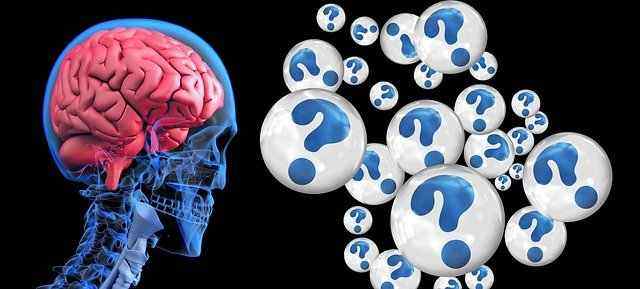
Bio-Psychology: Behaviour and the Brain (3 Credits)
Graded Health Units (12 credits)
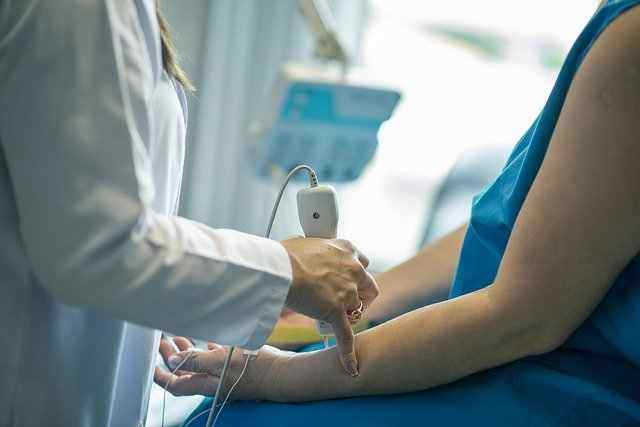
Diagnosis and management of physiological Disorders (9 Credits)
Healthcare Communication (3 Credits)
Graded Biology Units (27 credits)
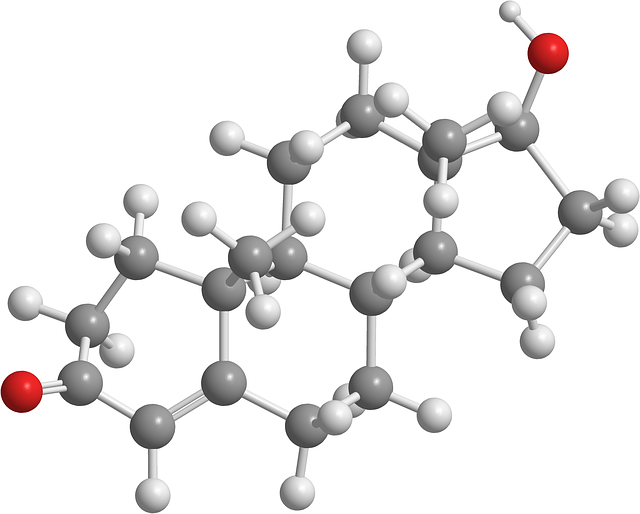
Endocrine System (3 Credits)

Genetic Inheritance (3 Credits)

Human Sex and Reproduction (3 Credits)
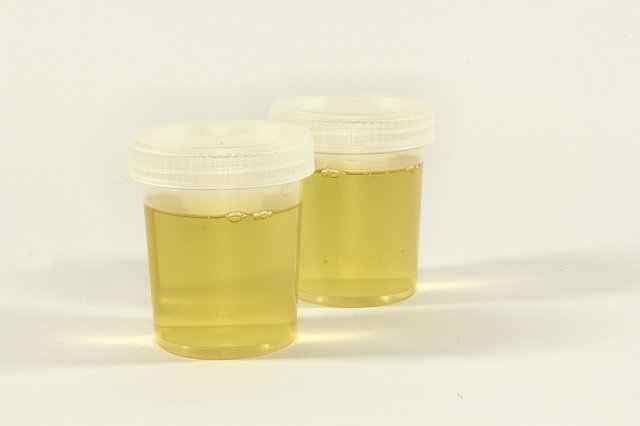
Human Urinary System (3 Credits)
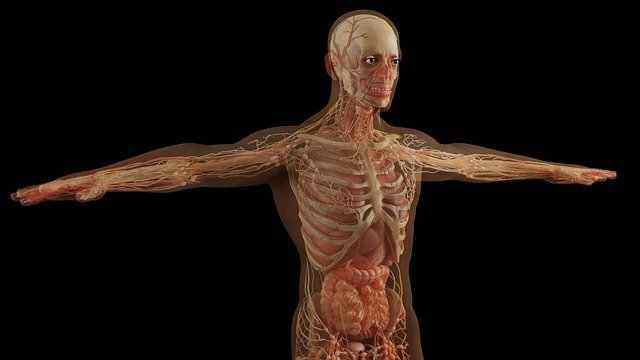
Musculoskeletal System (3 Credits)
Non-Infectious Disease (3 Credits)

Nutrition and Digestion (3 Credits)

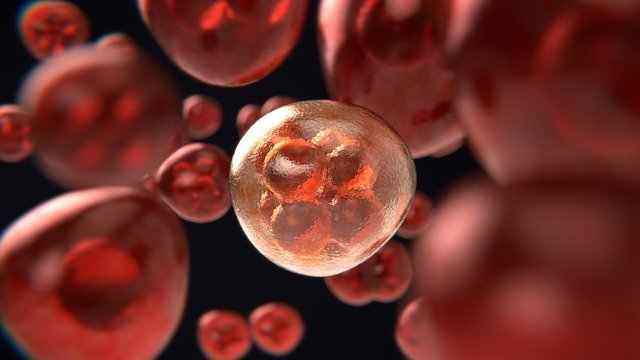
The Structure and Function of Cells (6 Credits)
Requirements
Entry requirements for the Access to Higher Education Diploma course
We do not require you to have Maths and English GCSEs but universities do, at Grade 4/ C or above. Study either or both alongside your diploma. Scroll down for more information on our fully online Functional Skills (includes the online exams) or GCSE options.Age: There is no formal age requirement for entry on to the Access to Higher Education Diploma course; however, if you are under 19 may universities insist you complete A Levels instead. Please check with the university that they will accept the Access to HE Diploma if you are under 19 years of age.
Entry requirements for university entry
Most universities require GCSE English and Maths in addition to the Access to Higher Education Diploma (or A Levels).Entry requirements may vary between universities. Always verify that your qualifications will be accepted by your chosen institution before enrolling.
Qualification
QAA-recognised Access to HE Diploma
The Access to HE Diploma is a nationally-recognised Level 3 qualification. To use the title “Access to HE”, a course must be recognised under the Quality Assurance Agency for Higher Education (QAA) Recognition Scheme.
Academy Online Learning’s Access to HE courses lead to a Diploma awarded through Skills and Education Group Access, a QAA-licensed Access Validating Agency.
The Diploma can support applications to university, but each university sets its own entry requirements. Check that your planned unit combination meets the requirements for your chosen degree before enrolling.
- Full qualification title
-
Access to Higher Education Diploma (Health Science Professions)
- Course type
-
Access to Higher Education Diploma
- Credits
-
60 Credits at Level 3 (15 Ungraded & 45 Graded)
- Learning aim reference
-
40012876
- UCAS tariff points
-
Maximum 144 points depending on grades
- Location
-
Online
- Start date
-
This course can be started at any time of the year

Careers in Children's Nursing
FAQs
Questions about this course
Q: What does a learning disability nurse do?
A: A learning disability nurse supports the physical and mental health of people with learning disabilities. Their work can include helping people communicate their needs, access healthcare, make informed choices and maintain independence, in partnership with families, carers and other professionals.
Q: Can I apply for Learning Disability Nursing without A Levels?
A: Yes. A relevant QAA-recognised Access to HE Diploma can support an application to universities offering this entry route. You must meet the degree’s requirements for subjects, credits, grades, additional qualifications and any other admissions criteria.
Q: Which subjects and credits are included?
A: The Health pathway includes 27 graded Biology credits, 12 graded Health credits and six graded Social Science credits. You will also complete 15 ungraded credits, giving a total of 60 credits.
Q: Will this Access course qualify me as a registered nurse?
A: No. This is a university-entry qualification. To become a registered learning disability nurse, you must complete an appropriate NMC-approved nursing programme and meet the requirements for registration.
Q: Can I complete the Access diploma online without a placement?
A: Yes. The Access diploma is studied online and assessed through assignments, with no clinical placement requirement. Your subsequent professional nursing programme will include practical learning and supervised clinical placements.
Q: Do I need GCSE English and Maths for Learning Disability Nursing?
A: AOLL does not require them to start the Access diploma, but universities have separate entry requirements. Many ask for GCSE English and Maths at grade 4/C or accepted equivalents. Science requirements and acceptance of Functional Skills vary, so check with each university.
Q: Where can learning disability nurses work?
A: Qualified learning disability nurses work in settings including hospitals, community teams, schools, people’s homes and specialist services. They may support children, adults or older people, depending on their role and employer.
Q: How much does the Access course cost?
A: The course fee is £1,320 including registration. You can pay over 12 instalments of £110, or pay £1,270 in full and save £50. See our payment options for current details.
To discuss your plans for a Learning Disability Nursing degree, contact our team with details of the universities and courses you are considering.
Access to HE Health Science Professions FAQs
Qualifications
Q: I want to qualify as a health professional. Do I need a university degree?
A: Yes. To become a nurse, midwife, paramedic, or similar health professional, you will need to progress to university and complete a degree in your chosen subject. For more information on careers and entry requirements, visit NHS Careers. Read more...
Q: I already have a degree, but not in a health-related subject. Can I still apply?
A: Check directly with your chosen university to confirm their entry requirements. Read more...
University
Q: Which universities or higher education institutions offer degree courses in Health Science Professions/ Allied Health subjects?
A: A full list of courses and institutions can be found here. Or Read more...
Q: Am I entitled to an NHS bursary when I get to university?
A: Many students on health-related degree courses qualify for financial support. This NHS link may be useful. UCAS is the organisation through which most university applications are made. For more information, visit UCAS. Or Read more...
NHS Careers
Q: What careers are available in the NHS?
A: A full list of NHS careers and job roles can be found on the NHS website. Read more...
Funding
Q: Will the NHS Trust I work for pay for the course?
A: We work with many NHS Trusts across the UK that support its workforce in developing their career by paying for the Access to HE Course. Speak to your line manager or HR department for funding opportunities. If you are successful get in touch with us: enquiries@academyonlinelearning.com for the next steps.
Q: Is there any funding available to me?
A: Please visit our Funding Page for more information. Allied health students studying at UK universities may also be eligible for grants and other support through the NHS Learning Support Fund. You can find more information here. If you are in the Military and want to use your resettlement fund, please click here.
General Access to HE FAQs
Access to HE Frequently Asked Questions
Browse the sections below for answers about qualifications, university applications, studying online, funding, and tutor support.
Qualifications
Q: What is an Access to HE Diploma?
A: An Access to Higher Education Diploma is a nationally recognised Level 3 qualification designed to prepare adults for degree-level study. AOLL’s diplomas contain 60 Level 3 credits: 45 graded credits and 15 ungraded credits. The graded credits can be awarded at Pass, Merit or Distinction and carry UCAS Tariff points. Read more...
Q: What are the entry requirements for an Access to HE Diploma with AOLL?
A: AOLL does not require applicants to hold formal qualifications before starting the diploma. However, you will need motivation, the ability to ask for help when needed, and a good standard of written and spoken English. Universities may still require Level 2 qualifications such as GCSEs alongside an Access course, so it is important to check entry requirements carefully. Read more...
Q: Do I need GCSE English and Maths to study an Access to HE Diploma?
A: AOLL does not require GCSE English or Maths for enrolment. However, many degree courses require GCSE English and Maths at grade 4/C or an accepted equivalent in addition to the Access to HE Diploma. Some courses also require GCSE Science. Students should check these requirements before enrolling. AOLL offer Functional Skills and GCSEs.
Q: How long does an online Access to HE Diploma take?
A: AOLL’s Access to HE Diploma is normally purchased with 12 months of study time. Students may complete it sooner, typically between 8-10 months if they meet the assessment requirements and agreed deadlines. Additional study time may be available subject to AOLL’s current terms and charges.
Q: Is an Access to HE Diploma equivalent to A Levels?
A: An Access to HE Diploma and A Levels are different Level 3 qualifications. The Access diploma is designed primarily for adults preparing to enter higher education and combines subject knowledge with academic study skills. It should not be described as identical to a particular number of A Levels.
Q: How do I choose the correct Access to HE pathway?
A: Students should begin with their intended degree or progression route and check its subject, credit, grade and GCSE requirements. They can then compare those requirements with the units and credits included in each AOLL pathway. Applicants should do this before enrolling rather than assuming that every pathway supports every degree.
Q: What can I study after completing an Access to HE Diploma?
A: The diploma can support applications to a range of undergraduate degrees and other higher education programmes. The suitable progression routes depend on the diploma title, the units and subject credits completed, the grades achieved and any additional entry requirements set by the course provider. Read more...
Q: What will appear on my Access to HE Diploma certificate?
A: The certificate will show the formal Access to Higher Education Diploma title. The accompanying transcript will show the units, credits and grades completed.
Q: Can I do this diploma if I live outside the UK?
A: This QAA-recognised Access to HE Diploma is validated for students living in the UK, including the Channel Islands and the Isle of Man. Read more...
Q: Is the Access to HE Diploma recognised by QAA?
A: Yes. The Access to HE Diploma is a QAA-recognised qualification. QAA regulates the Access to HE Diploma through its Recognition Scheme. AOLL’s diplomas are awarded by Skills and Education Group Access, which is a QAA-licensed Access Validating Agency. To find our profile on the QAA website, click here. Read more...
Q: What does QAA stand for?
A: QAA stands for the Quality Assurance Agency. It is the organisation that safeguards quality and standards in UK colleges and universities so that students have the best possible learning experience. You can find more information here. Read more...
Q: Who is the awarding organisation for this course?
A: Our awarding organisation is Skills and Education Group Access. Read more...
Q: Do I need work experience before starting an Access to HE Diploma?
A: No. AOLL does not require applicants to have previous employment or voluntary experience in their intended subject. Relevant experience may provide useful context, particularly for professional courses, but later training providers and employers may set their own requirements. Read more...
Q: Can an Access to HE Diploma support a degree-apprenticeship application?
A: The diploma provides Level 3 study that may support an application for a degree apprenticeship. Apprenticeships are employment-based, so applicants must also secure a suitable position and meet the employer’s recruitment and entry requirements.
University
Q: How do I apply to university while studying an Access to HE Diploma?
A: Most undergraduate applications are made through UCAS. Students should research their intended courses, check the entry requirements and enter the unfinished Access to HE Diploma and units as pending. Students who link their application to AOLL can receive application support and an academic reference. Read more...
Q: Will I get help with my UCAS application?
A: Yes. As part of your course fees, AOLL provides support through one application cycle. This includes checking the three UCAS personal statement questions (introduced for 2026 applications onwards), and providing an academic reference. Where appropriate, Academy Online Learning can also provide information about your progress, completed units and grades achieved to date. Unfinished Access to HE qualifications and units are entered on UCAS as pending. We are a UCAS registered centre. Read more...
Q: Will my tutor give me a reference?
A: If you link your UCAS application to AOLL, we will automatically act as your referee and write the academic reference for you. If you would prefer to use a different referee, you will need to apply independently so that you can enter their details instead. Read more...
Q: Can I get a TOTUM card?
A: Yes. Students can apply directly online via TOTUM. Read more...
Getting Started
Q: When can I start this course?
A: You can start at any time during the year. Our provision allows learners to begin when it suits them, rather than only in September. Read more...
Q: Once I have completed the enrolment form, how do I get started?
A: Once your chosen payment option has been set up and accepted, you will be allocated a personal tutor who will contact you, talk you through the next steps, and help you get started. Read more...
Q: Do I have to pay to enrol?
A: No. There is no cost or commitment when you first enrol. An automated email will be sent to your inbox with further information about how the course works and what to expect as a student. Read more...
Q: Can I speak to somebody in Admissions?
A: Yes. You can call us on 0161 726 5970, email enquiries@academyonlinelearning.com, or visit Contact Us to send us a message. Read more...
Q: I have been out of education for many years. Have I left it too late for university?
A: No. The Access to HE Diploma is specifically designed for adult learners returning to education who do not have qualifications such as A Levels for university entry. There is no upper age limit. Read more...
Q: How do I enrol?
A: The registration form can be accessed at the top of the page or on the course page. You can also complete the contact form or send us a message via Contact Us. Read more...
Tutor Contact
Q: What tutor support will I receive while studying online?
A: Each student is allocated a personal tutor. Students can contact their tutor through the online messaging system and will normally receive a response within 24 hours, Monday to Friday. Tutors provide academic guidance, assignment feedback and support with progression. Read more...
Q: Do students feel isolated studying through distance learning?
A: Distance learning may not suit everyone, but there is strong support from tutors and staff throughout the course. Students past and present can also communicate with each other for advice on universities, bursaries, open days, careers, and more via the private Facebook group. Read more...
How Studying Online Works
Q: Is the Access to HE Diploma completely online?
A: Yes. AOLL’s Access to HE Diplomas are studied through an online virtual learning environment (VLE). Students access learning materials, submit assignments and communicate with their tutor online. There are no lessons to attend or exams to sit.
Q: How is the Access to HE Diploma assessed?
A: The diploma is assessed through assignments rather than examinations. Assessment tasks may include essays, reports, presentations and question-based assignments. Students must demonstrate the knowledge and assessment criteria required for each unit.
Q: How do I receive my learning materials and assignments?
A: Once enrolled, you will have access to your VLE dashboard where you can find all learning materials and assignments. Read more...
Q: What is the VLE?
A: The VLE is our virtual learning environment. It is where you access course materials, submit work, communicate with your tutor, and find additional guidance on UCAS, careers, moderation, and study support. Read more...
Q: What do I have to achieve to get an Access Diploma?
A: You must achieve 60 Level 3 credits in total. Of these, 45 credits are graded at Pass, Merit, or Distinction. Read more...
Q: Do I need to physically attend anywhere to take this course?
A: No. This course is fully distance learning. There are no classes or exams to attend in person, which can save time and travel costs. Read more...
Q: How are the courses assessed?
A: Assessment is through written assignments such as essays, reports, presentations, and question-based tasks. There are no exams. Assignments are worth 3, 6, or 9 credits, and the time allowed varies accordingly, although you can often submit earlier if you want to complete the course more quickly. 3 credits = 2 week to start the assignment and submit, 6 credits = 4 weeks and 9 credits = 6 weeks. Read more...
Q: Can I resubmit an assignment or improve a grade?
A: Once you achieve a pass or a merit grade you cannot resubmit, this is termed as 'polishing the grade' and the QAA do not allow resubmissions to gain a higher grade.
Q: How many hours per week will I need to study?
A: As a general guide, Skills and Education Group Access recommend around 10 study hours per credit. If you aim to complete the course in 12 months, this usually works out at around 12 hours per week on average. Read more...
Q: How difficult is an Access to HE Diploma?
A: The diploma is a Level 3 qualification and requires regular independent study, research and written assignment work. Students returning to education may initially find academic writing and time management challenging, but learning materials, tutor guidance and feedback are provided throughout the course.
Q: Can I take a short course for continuing professional development?
A: Yes. If you have been advised that fewer than 60 credits are needed for your progression, contact us to discuss the available options. Read more...
Q: What is moderation?
A: There are two types of moderation: internal and external. Internal moderation helps ensure that grading is fair and consistent, while external moderation by the awarding organisation confirms student achievement and leads to the final award of the diploma certificate. Read more...
Q: When is moderation?
A: External moderation for certification usually takes place in June or July for September university starters, and in November or December for January university starters. Read more...
Q: When do I receive my certificate?
A: Certificates are usually issued within four weeks of the Final Awards Board. Read more...
Q: What do grades and grading mean?
A: Graded units are awarded at Pass, Merit, or Distinction. Universities often specify how many Merits and Distinctions they expect applicants to achieve. You can use our UCAS Tariff Points calculator to work out what grades you may need for entry. Read more...
Q: How many UCAS Tariff points is an Access to HE Diploma worth?
A: UCAS Tariff points are awarded for the 45 graded Level 3 credits. The total depends on the combination of Pass, Merit and Distinction grades achieved. Achieving Distinction grades across all 45 graded credits is equivalent to 144 UCAS Tariff points.
Q: Do universities accept online Access to HE Diplomas?
A: Many UK higher education providers accept QAA-recognised Access to HE Diplomas, including diplomas completed through distance learning. Acceptance is not automatic. Individual courses may require a particular diploma title, subject-credit profile, number of Merit or Distinction credits, GCSEs or relevant experience. Read more...
Q: Can I study an Access to HE Diploma while working full-time?
A: Yes. The online format allows students to organise their studies around employment and other responsibilities. However, students must allow enough time for reading, research and assignments. Someone aiming to complete within 12 months should plan for approximately 12 hours of study each week on average.
Q: Can I extend or pause my course?
A: We understand that personal circumstances can change, and this course is designed to be flexible. We offer the opportunity to put your course on hold for a minimum of one month and up to 12 months which enables you to freeze your course and save your study days. Read more...
If you need additional time to complete the course you can purchase the course extension fee option.
Q: What computer equipment and software will I need?
A: You will need a reliable laptop or desktop computer with an internet connection. A current web browser and word-processing software will also be required to access course materials, conduct research and complete and upload assignments. We have access to free word-processing software if you do not have this on your computer.
Funding
Q: If I want to stop my course, do I still have to pay?
A: The monthly payment option is designed to help learners manage the financial side of studying. These are not monthly study payments, but part of an agreement to pay the full course amount. Read more...
Payment Options
- Course fee
-
£1320 including registration fees
Ready to start?
Purchase this course
Go straight to the secure store to choose your payment option and begin the automated enrolment process.
Trusted by our learners
Independent reviews from students studying with Academy Online Learning.